


Commuting In and Around Palm Springs: Your Ultimate Guide to Stress-Free Desert Living
Palm Springs, in the heart of the Coachella Valley, is celebrated for its stunning landscapes, vibrant culture, and exceptional quality of life. But what truly sets it apart is its accessible and well-thought-out transportation network. Whether you’re a resident or a visitor, understanding the ins and outs of commuting in and around Palm Springs can enhance your experience of this desert oasis.
With options ranging from personal vehicles to public transit, cycling, and walking, getting around Palm Springs is simple and efficient. Let’s explore the diverse commuting landscape that makes life in this sun-drenched destination so appealing.
The Palm Springs Area Commuting Advantage
One of the standout benefits of living in Palm Springs is the shorter-than-average commute time. Residents enjoy an average one-way commute of just 20.7 minutes, well below the U.S. average of 26.4 minutes. This means more time for what matters most—whether that’s soaking up the desert sun, exploring local attractions, or enjoying the vibrant arts and culture scene.
Driving in Palm Springs
For many, personal vehicles remain the most convenient way to navigate Palm Springs and surrounding areas. The city boasts:
- Well-Maintained Roads: Smooth and well-connected routes make driving a breeze.
- Light Traffic: Compared to larger metropolitan areas, Palm Springs offers minimal congestion.
- Key Highways:
- Palm Canyon Drive: A bustling corridor connecting uptown and downtown.
- Interstate 10: A major freeway linking Palm Springs to Los Angeles, San Diego, and Phoenix.
- Highway 111: A scenic route weaving through the Coachella Valley.
To support sustainability, Palm Springs encourages residents to adopt low- and no-emission vehicles, aiming to reduce transportation-related greenhouse gas emissions, which account for 40% of the city’s carbon footprint.
Public Transit: The SunLine Transit System
Palm Springs offers an excellent public transportation option through the SunLine Transit Agency. It’s an affordable, reliable way to navigate in and around Palm Springs, with key features including:
- Comprehensive Coverage: 15 bus routes connect Palm Springs to the broader Coachella Valley.
- Frequent Service: Buses arrive approximately every 15 minutes on most routes.
- Eco-Friendly Fleet: Many buses are powered by clean-burning natural gas or are fully electric.
- Accessible Fares: Adult rides cost $1, while seniors, students, and children pay even less.
- Real-Time Updates: Online tools and mobile apps provide accurate schedules for seamless trip planning.
Popular routes include those servicing downtown, residential neighborhoods, and attractions like the Palm Springs Art Museum and Agua Caliente Casino.
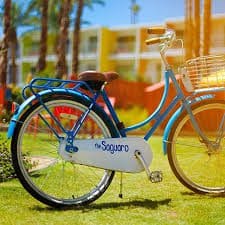
Cycling: Pedal Power in the Desert
Year-round sunshine and a relatively flat landscape make cycling a favorite mode of transportation in Palm Springs. The city continues to expand its bike-friendly infrastructure, offering:
- Designated Bike Lanes: Safe and accessible paths for cyclists on major roads.
- Public Bike Repair Stations: Convenient spots at the Visitor Center, Demuth Park, and the Public Library.
- Comprehensive Maps: The city provides detailed bike route maps to help you navigate with ease.
- Rental Options: Bike rentals start at $25 for a half-day, perfect for visitors or those looking to test the cycling lifestyle.
For environmentally conscious residents, biking not only reduces carbon emissions but also promotes a healthier lifestyle.
Walking in Palm Springs
Downtown Palm Springs is designed with pedestrians in mind, offering a delightful walking experience. Key features include:
- Wide Sidewalks: Ample room for walkers and strollers.
- Pedestrian Crosswalks: Safe and accessible pathways throughout the downtown area.
- Concentrated Amenities: Restaurants, shops, and cultural landmarks are all within easy walking distance.
However, Palm Springs’ desert climate can bring summer temperatures exceeding 100°F. If you’re walking during these months, keep these tips in mind:
- Stay hydrated.
- Wear sunscreen and protective clothing.
- Take breaks in shaded or air-conditioned spaces.
Ride-Hailing Services
Palm Springs is well-served by ride-hailing platforms like Uber and Lyft. These services offer:
- Door-to-Door Convenience: Ideal for quick trips or when public transit isn’t accessible.
- Competitive Pricing: Often more affordable than traditional taxis.
- Availability: High concentrations of drivers are found downtown and near major events or attractions.
Taxis and Microtransit
For those preferring traditional options, taxis are readily available in Palm Springs. These are particularly useful for airport transfers or scheduled trips. Additionally, the city is exploring microtransit solutions, which provide flexible, on-demand transportation to complement existing public transit options.
Planning Your Commute in Palm Springs
When considering your options for commuting in and around Palm Springs, it’s important to factor in the following:
- Seasonal Considerations: Summer heat may impact walking or biking comfort, while winter months see more tourists.
- Destination: Downtown areas are highly walkable, but suburban locations may require a vehicle or transit use.
- Traffic Patterns: While traffic is generally light, major events like Coachella and Stagecoach can lead to temporary congestion.
- Environmental Impact: Opt for eco-friendly modes like public transit, cycling, or electric vehicles to support sustainability goals.
Future Transportation Developments in Palm Springs
Looking ahead, Palm Springs is committed to improving its transportation infrastructure to better serve residents and visitors. Upcoming initiatives include:
- Expanded Electric Vehicle Charging Stations: Encouraging the use of EVs by increasing accessibility.
- Enhanced Public Transit Routes: Adding more connections and increasing bus frequency.
- Bike-Sharing Programs: Introducing city-wide bike-sharing stations for added convenience.
- Smart City Technology: Implementing tools to optimize traffic flow and parking availability.
Frequently Asked Questions
Q: How long is the average commute in Palm Springs?
A: The average commute is just 20.7 minutes, significantly shorter than the U.S. average of 26.4 minutes.
Q: Is Palm Springs bike-friendly?
A: Absolutely. Palm Springs offers designated bike lanes, repair stations, and rental services to support cycling enthusiasts.
Q: Are public transit options reliable?
A: Yes, the SunLine Transit Agency provides a comprehensive and dependable bus system covering Palm Springs and nearby cities.
Q: Can I live in Palm Springs without a car?
A: While having a car offers flexibility, it’s possible to live in Palm Springs without one, especially if you reside in the downtown area.
Q: What are ride-hailing options in Palm Springs?
A: Uber and Lyft are widely available, offering convenient and cost-effective alternatives to driving.
Q: How does Palm Springs support sustainable commuting?
A: The city promotes low-emission vehicles, public transit, cycling, and innovative solutions like microtransit to reduce its carbon footprint.
Conclusion: Enjoying Stress-Free Commuting in Palm Springs
Commuting in and around Palm Springs is an effortless experience thanks to a range of accessible, sustainable, and efficient transportation options. Whether you prefer driving, cycling, walking, or taking public transit, Palm Springs ensures you can get where you need to go with ease.